


What is obesity?
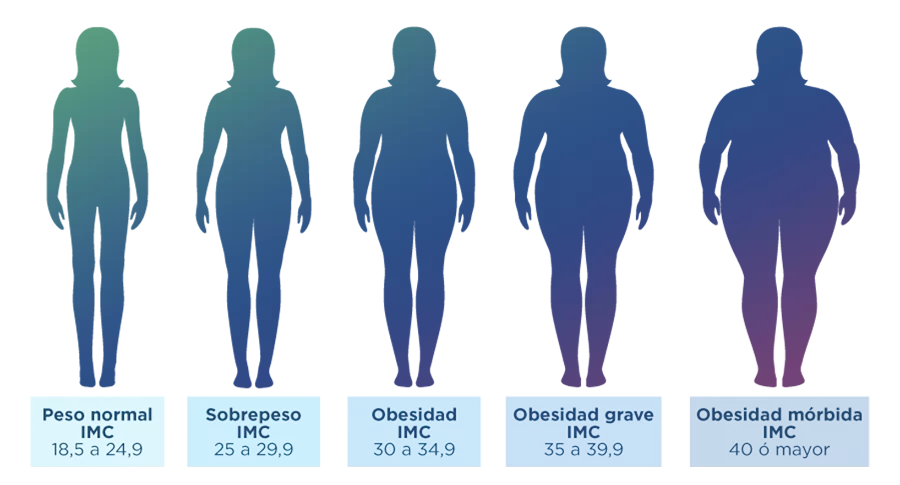
The terms “overweight” and “obesity” refer to body weight that is higher than what is considered healthy for a given height.
The most useful measure of overweight and obesity is the Body Mass Index (BMI), calculated based on height and weight.
Globally, millions of people are overweight or obese. Being overweight or obese increases the risk of developing various health problems. The more body fat and weight a person has, the higher the likelihood of facing the following health issues:
- Coronary artery disease
- Heart attack
- High blood pressure
- Type 2 diabetes
- Gallstones
- Breathing problems (sleep apnea)
- Breast cancer
- Uterine cancer
- Prostate cancer
- Colon cancer
- Infertility
Many factors affect a person’s weight, including environment, family history and genetics, metabolism (how the body converts food and oxygen into energy), behaviors or habits, and more.
While some factors, such as family history, cannot be changed, others can, like lifestyle habits. For example, eat a healthy diet while keeping your calorie needs in mind. Stay physically active and try to limit sedentary time.
Achieving and maintaining a healthy weight is a long-term challenge for people who are overweight or obese. However, it can also be an opportunity to reduce the risk of developing other serious health problems. With the right treatment and motivation, it is possible to lose weight and decrease the risk of long-term illnesses.
Bariatric surgery is an excellent alternative for achieving significant weight loss.

Calculate your BMI and evaluate yourself.


| Fitness Calculation | Result |
|---|---|
| BMI Calculation: | cal... |
| Ideal Weight : | cal... |
| BMR Calculation : | cal... |
Minimum Requirements:
- Age: 17 – 70
- BMI over 40
- BMI 35+ with obesity-related conditions:
- Deterioration of quality of life
- Type 2 Diabetes
- High blood pressure
- Sleep apnea
- Thrombophlebitis
- Knee arthropathy or back pain
- High cholesterol